
C4 and CAM Photosynthesis
Abstract
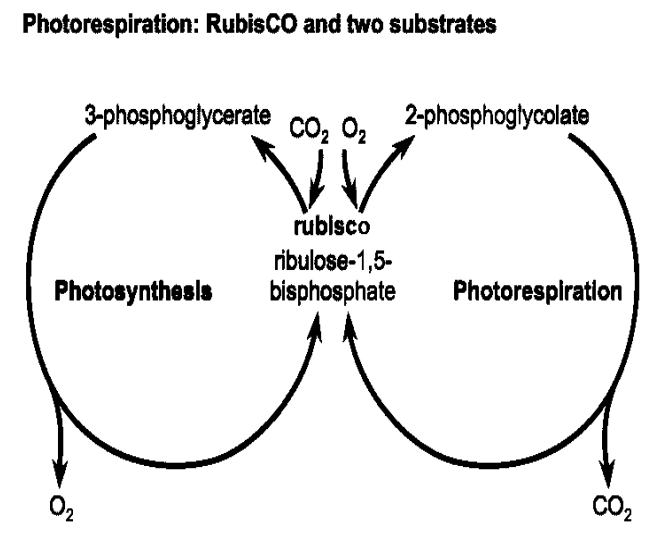
This guided inquiry activity introduces undergraduate biology students to the carbon-concentrating mechanisms in C₄ and CAM plants. Designed for a classroom setting using a POGIL format, the activity supports learning through the three-phase learning cycle. Students work collaboratively to analyze models representing photorespiration in C₃ plants and compare it with the biochemical and anatomical adaptations found in C₄ and CAM pathways. Emphasis is placed on how these adaptations reduce photorespiration and improve photosynthetic efficiency in hot and dry environments. The activity aligns with upper-level plant physiology or general biology courses and develops key process skills such as teamwork and information processing. Learning objectives include describing carbon-concentrating mechanisms, explaining how they reduce photorespiration, and comparing structural and functional differences between photosynthetic strategies.
Level: Undergraduate | Setting: Classroom | Activity Type: POGIL Learning Cycle
Discipline: Biology | Course: Plant Physiology, General Biology
Keywords: C₄ photosynthesis, CAM photosynthesis, photorespiration, Rubisco, carbon concentrating
Downloads
Published
How to Cite
Issue
Section
License
Copyright (c) 2026 Michelle Kretzschmar, Rethabile TekaneCopyright of this work and the permissions granted to users of the PAC are defined in the PAC Activity User License.